


Key Takeways
- Repetitive screen habits create cumulative neck and shoulder strain that worsens over time
- Preventive, hands-on care helps maintain circulation, flexibility, and postural balance
- Consistent posture habits combined with targeted therapies support long-term neck resilience
Introduction
Modern life keeps our heads tilted forward more than ever. Whether it’s replying to text messages, scrolling during commutes, or spending long hours in front of a screen, the neck quietly bears the strain of our digital habits. Over time, this repeated posture can lead to stiffness, reduced mobility, and lingering discomfort, commonly known as tech neck.
Instead of waiting for pain to disrupt daily routines, Traditional Chinese Medicine (TCM) focuses on early intervention, helping the body maintain balance and resilience before strain becomes chronic.
Understanding Tech Neck from a TCM Perspective
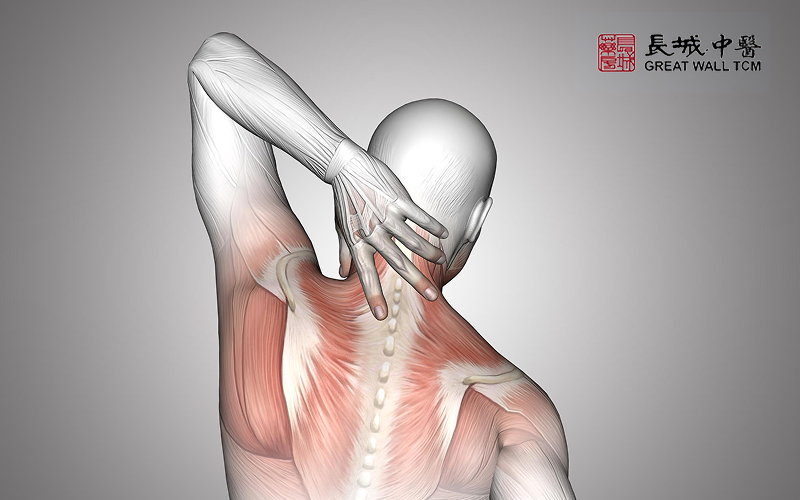
From a TCM viewpoint, prolonged screen use disrupts the smooth flow of Qi and Blood through the neck, shoulders, and upper back. When the head consistently tilts forward, key meridians become compressed, leading to stagnation and muscle tension. This imbalance may initially feel like mild stiffness, but over time, it can contribute to headaches, shoulder tightness, and restricted neck movement.
Addressing tech neck early allows practitioners to restore circulation and prevent deeper energetic or structural issues from developing.
Acupuncture for Preventive Care
Prevention is central to TCM philosophy, and acupuncture is often used to support neck health before pain becomes persistent. Targeted points such as Jianjing (GB21), located at the midpoint of the shoulder between the neck and the outer arm, and Fengchi (GB20), found at the base of the skull on either side of the neck, help relax overworked muscles, improve blood flow, and reduce postural strain caused by prolonged device use.
Regular TCM acupuncture sessions may also support nerve communication and reduce compensatory tension across the shoulders and upper back, making them a supportive option for individuals with screen-heavy routines managing early symptoms.
Tui Na and Cupping for Muscle Health
Hands-on TCM therapies can also play an important role in maintaining muscle flexibility and preventing buildup of tension. Tui Na massage uses rhythmic movements to loosen tight tissues, stimulate meridian flow, and restore mobility in the neck and shoulders.
When combined with cupping therapy, which gently lifts the skin to enhance circulation and release deep stagnation, these treatments can help maintain healthy muscle tone and reduce the risk of recurring strain linked to tech neck. Used proactively, they support comfort and mobility rather than reacting to pain after it appears.
Lifestyle Adjustments to Support Neck Health
TCM treatments work best when supported by mindful daily habits. Simple changes such as adjusting screen height, keeping shoulders relaxed, and taking movement breaks every 30 to 45 minutes can significantly reduce strain. Gentle neck stretches, posture awareness, and limiting prolonged device use further protect cervical health.
Visiting a TCM clinic also allows practitioners to provide personalised lifestyle guidance,
helping individuals manage discomfort more sustainably instead of relying only on reactive care.
A Preventive Approach to Modern Neck Strain
Rather than waiting for symptoms to worsen, TCM encourages early care to protect the neck from repetitive postural stress. By combining therapeutic support with ergonomic awareness, tech neck can be managed in a measured, supportive way that prioritises long-term comfort, mobility, and spinal wellness.
If long hours on screens are part of your routine, consider scheduling a consultation at Great Wall TCM to support your overall neck health before tension turns into chronic discomfort.
 Great Wall TCM Clinic (Redhill)