


What Is TCM Tuina Massage?
TCM Tuina massage is a traditional Chinese manual therapy that focuses on stimulating specific acupoints and meridian pathways to support the body’s natural balance and equilibrium. As part of TCM, Tuina massage combines techniques such as kneading, pressing, and stretching to address tension in muscles, joints, and connective tissues.
Practitioners use their hands to apply rhythmic pressure to targeted areas, encouraging circulation and movement of Qi (vital energy). This approach is often used to support pain relief, enhance mobility, and aid in the recovery from musculoskeletal conditions. TCM Tuina may also be combined with TCM cupping, acupuncture or herbal remedies as part of a broader treatment plan.
Types of TCM Tuina Massage Techniques
TCM Tuina incorporates a range of hands-on techniques designed to support circulation, reduce tension, and restore the body’s natural balance. Each method focuses on specific concerns, making Tuina massage adaptable for various needs. Below are some common techniques used in clinical settings:
General Tuina Massage
General Tuina Massage
Sports and Injury-Focused Tuina
Sports and Injury-Focused Tuina
Meridian-Based Massage
Meridian-Based Massage
Tuina for Foot Discomfort
Tuina for Foot Discomfort
These techniques can be used individually or in combination with other TCM therapies, tailored to individual needs and treatment goals.

Conditions Commonly Addressed by Tuina Massage
Tuina massage is used in Traditional Chinese Medicine to support the body’s natural functions and help manage a variety of physical concerns. It combines acupressure, soft tissue techniques, and rhythmic movements to target imbalances and ease discomfort. Here are some conditions commonly addressed through Tuina:
Chronic Pain
Tuina massage may help alleviate chronic pain by reducing muscular tension and enhancing local circulation. It is often applied to areas such as the lower back, shoulders, and neck, where long-term discomfort tends to build up.
Musculoskeletal Injuries
From sprains to joint stiffness, Tuina massage is often used to support mobility and address soft tissue strain. It is especially relevant for sports-related injuries and general wear and tear from daily activity.
Digestive Discomfort
By stimulating abdominal acupressure points, Tuina can help manage symptoms such as bloating, indigestion, and irregular bowel movements. These techniques are intended to support digestive regulation and abdominal comfort.
Headaches and Migraines
Tension in the neck and shoulders can contribute to frequent headaches. Tuina massage may help reduce pressure in these areas, thereby easing headache frequency and intensity by enhancing circulation and promoting muscle relaxation.
Stress and Anxiety
The calming nature of Tuina massage makes it a supportive method for managing stress. Gentle, rhythmic movements may promote a sense of relaxation and help improve sleep patterns.
What Happens During a TCM Tui Na Massage Session?
Understanding what to expect can help individuals feel more comfortable before their first session. While each treatment plan is tailored to the individual, a typical TCM massage session generally follows several key stages.

Consultation and Assessment
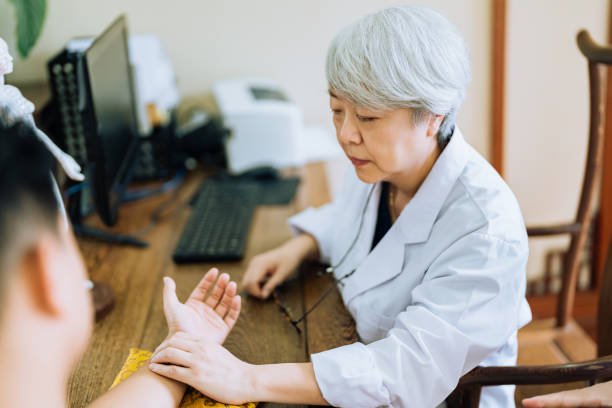
When you are here for the first time, the session begins with a consultation where the TCM Physician reviews your symptoms, medical history, lifestyle habits, and areas of concern. This helps determine whether Tui Na may be suitable for your treatment plan.

Treatment Planning
Based on the assessment, the physician identifies areas for treatment and if you are suitable for TCM Tui Na Massage. The treatment approach may vary depending on the nature of the discomfort and individual needs.
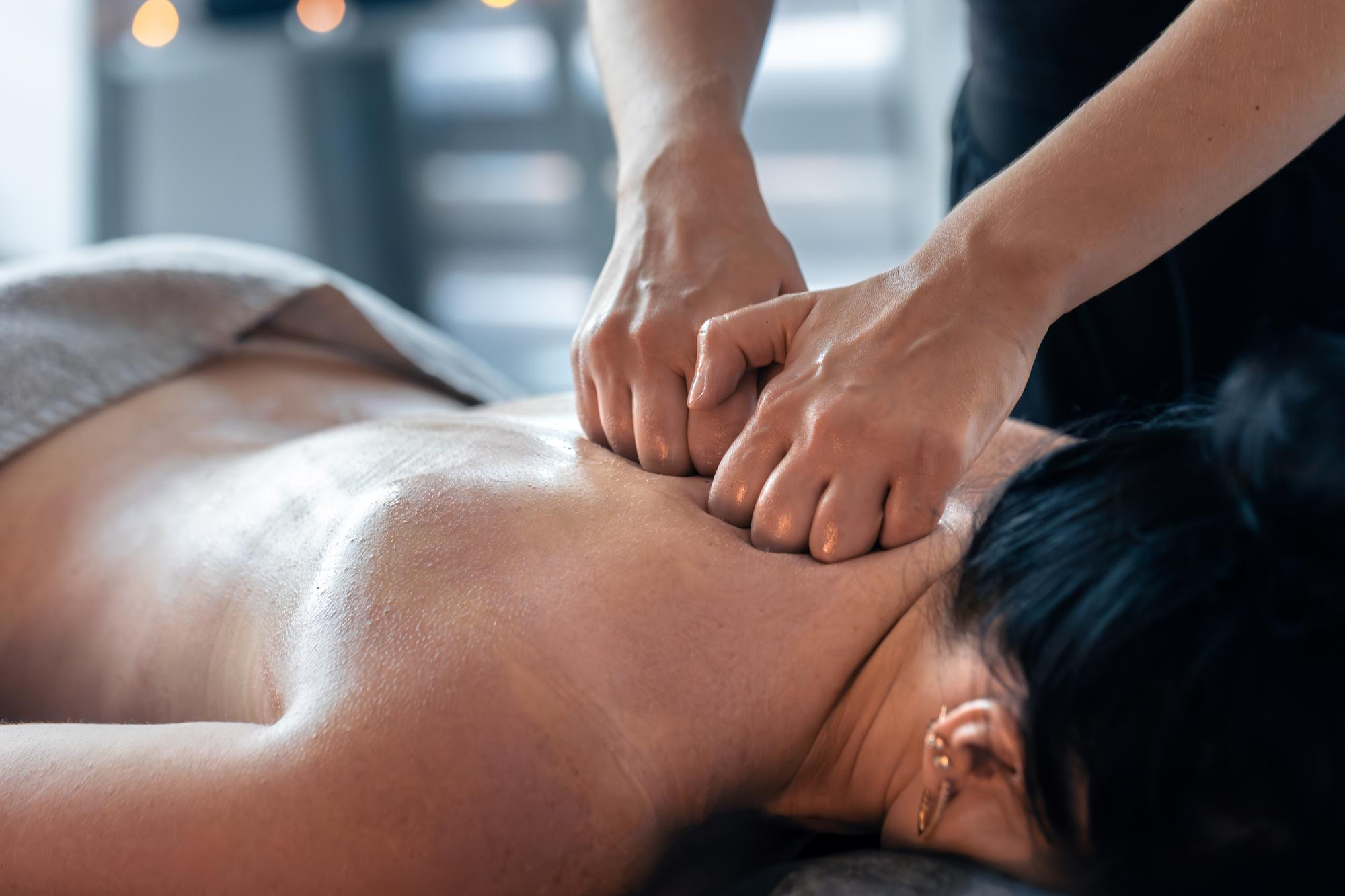
Hands-On Tui Na Treatment
During the session, various manual techniques such as pressing, kneading, rolling, and stretching may be applied to specific muscles, joints, or meridian pathways. The intensity of treatment is adjusted according to individual comfort levels by the therapist.
Post-Treatment Guidance
Following the session, the therapist may provide recommendations on rest, posture, stretching, daily habits, or follow-up care where appropriate. This helps support ongoing management beyond the treatment session itself.
Why Incorporate Tui Na Into Your TCM Care Plan?
Many individuals seek treatment only after discomfort begins affecting their daily activities. Tui Na may be incorporated into a personalised TCM treatment plan to address these concerns while supporting overall physical well-being.
Address Everyday Muscle and Joint Tension
Long hours at a desk, physically demanding work, repetitive movements, and poor posture can place strain on the body. TCM massage may be used to address areas of tightness and discomfort that develop through daily activities.
Support Mobility and Physical Function
When muscles and joints feel stiff or restricted, everyday tasks can become more challenging. Tui Na techniques are commonly applied to areas experiencing reduced mobility or physical tension as part of a broader treatment approach.
A Hands-On Approach to Care
For individuals who prefer manual therapy, Tui Na offers a hands-on treatment modality rooted in Traditional Chinese Medicine. Treatment is tailored according to the individual’s presentation and treatment goals.
Personalised to Individual Needs
No two individuals experience discomfort in exactly the same way. Treatment plans are developed following consultation and may be adjusted over time based on progress, symptoms, and changing needs.
Complements Other TCM Therapies
Depending on the assessment, Tui Na may be incorporated alongside other TCM modalities such as Gua Sha, moxibustion, cupping, acupuncture or herbal medicine to support a more comprehensive care plan.
Available at These Locations
Redhill
TCM massage in Singapore is available at Great Wall TCM’s Redhill clinic, where consultations and treatment plans are tailored according to individual needs and health concerns. Tui Na may be incorporated into your TCM treatment following assessment by a registered TCM physician.
Whether you are seeking support for muscle tension, joint discomfort, or general physical strain, our team can advise whether Tui Na may be appropriate as part of your care plan.

 Great Wall TCM Clinic (Redhill)
 Login with Google