
Back pain can affect everyday activities such as sitting, walking, bending, carrying items, exercising, or resting comfortably. For individuals exploring TCM back pain care in Singapore, Traditional Chinese Medicine considers the area of discomfort along with posture, muscle tension, circulation, movement patterns, and overall body balance.
At Great Wall TCM, back pain care begins with a consultation to understand where the discomfort is felt, how long it has been present, and how it affects daily function. Treatment may include methods such as acupuncture, Tui Na, cupping, Gua Sha, or Chinese herbal medicine, depending on individual assessment and suitability.
Contact us to enquire about a back pain consultation at Great Wall TCM.
From a TCM perspective, back pain may be associated with patterns such as disrupted circulation, muscle tension, strain, or imbalance affecting the meridians around the back, waist, hips, and lower limbs. Assessment does not focus only on the painful area, but may also consider posture, work habits, sleep position, activity level, and related areas of tension.
Common contributing factors may include:
The exact care approach depends on individual assessment. Patients are encouraged to share their medical history, current symptoms, medication use, and any previous diagnosis so that treatment suitability can be reviewed appropriately.

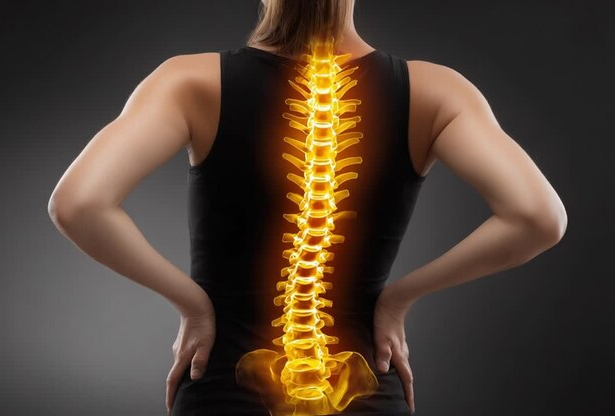
Lower back strain may occur after lifting, bending, prolonged sitting, exercise, or sudden movement. Patients may experience tightness, tenderness, or discomfort when standing, walking, or changing position. TCM assessment may consider the lower back together with the waist, hips, and surrounding muscle groups.
Posture-related back discomfort is commonly associated with desk work, prolonged sitting, driving, or repeated work positions. The discomfort may affect the lower back, upper back, shoulders, or waist area. TCM assessment may look at muscle tension, movement habits, and repeated positions that place stress on the back.
Upper back tension may occur together with shoulder tightness, neck discomfort, or a heavy sensation across the upper body. It may be linked to screen use, lifting, stress, or repeated posture patterns. TCM care may consider the upper back, neck, shoulders, and related muscle groups during assessment.
Some individuals may experience back discomfort together with tightness, numbness, tingling, or radiating sensations around the hip or leg. These symptoms should be discussed during consultation, especially if they are persistent, worsening, or associated with weakness. The physician may assess whether TCM care is suitable or whether further medical review is needed.
Recurring back stiffness may affect bending, twisting, standing, or sitting for long periods. It may be associated with long-term tension patterns, age-related changes, or repeated strain. The physician may assess movement range, related muscle tension, and overall body condition before recommending suitable care options.
Back discomfort may appear after exercise, manual work, lifting, sports, or repeated physical activity. The location and type of discomfort can vary depending on movement patterns and muscle use. TCM assessment may consider the back together with surrounding areas such as the hips, legs, shoulders, or waist.

The physician may ask when the back pain started, where it is felt, and what movements make it more noticeable. You may also be asked about work routines, sitting habits, exercise, lifting, sleep position, or repeated movements. This helps provide context for the assessment.

You should share any previous diagnosis, imaging results, medication use, injuries, or existing health conditions. This is especially important if you are receiving western medical treatment or have symptoms such as numbness, tingling, weakness, swelling, or persistent restriction. The physician will consider these details before discussing suitable TCM options.

The consultation may include observation of back movement, tenderness, stiffness, and related tension in the waist, hips, lower limbs, shoulders, or neck. TCM assessment may also consider overall body balance and patterns that could contribute to discomfort. Treatment is not based on pain location alone.

After assessment, the physician may recommend acupuncture, Tuina, cupping, Gua Sha, herbal medicine, or a combination of suitable methods. The recommended approach depends on your condition and comfort level. The number and frequency of sessions may vary according to individual response.
TCM may be chosen by individuals who prefer a non-pharmacological approach or who want care that looks beyond the painful area alone. For TCM back pain care in Singapore, assessment often includes the back, waist, hips, lower limbs, posture, and overall body balance.
Personalised Assessment Based On Back Function
TCM care for back pain considers how it affects daily activities such as sitting, standing, walking, bending, lifting, working, or sleeping. This allows the physician to understand the discomfort in relation to the patient’s routine rather than treating it as an isolated symptom. Treatment selection is then guided by individual presentation.
Support For Posture-Related And Repetitive Strain
Many back concerns are linked to prolonged sitting, desk work, lifting, repeated movement, or activity-related strain. TCM may be considered when discomfort is associated with stiffness, tension, or movement limitation affecting daily function. Advice may also include simple care considerations to reduce repeated stress on the back.
Consideration Of Connected Areas
Back discomfort may involve the waist, hips, legs, neck, or shoulders. TCM assessment may consider these connected areas because muscle tension and movement restriction may not be limited to one point. This helps the physician review contributing patterns before discussing care options.
Combination Of Different TCM Methods Where Suitable
Depending on assessment findings, care may involve acupuncture, Tuina, cupping, Gua Sha, or Chinese herbal medicine. These methods may be used individually or together where appropriate. The treatment plan is adjusted according to comfort level, body condition, and response over time.
Ongoing Review Based On Individual Response
Back pain may change across sessions depending on posture, activity level, rest, and contributing factors. TCM care may be reviewed and adjusted as symptoms change. This helps ensure that the approach remains appropriate to the patient’s condition.

Redhill
Great Wall TCM provides TCM back pain care at our Redhill outlet in Singapore. Consultation begins with an assessment of your back discomfort, movement patterns, daily activities, and overall body condition before suitable treatment options are discussed.
Treatment suitability and response may differ according to individuals. If you have persistent pain, numbness, weakness, fever, recent injury, difficulty walking, bladder or bowel changes, or worsening symptoms, you should seek appropriate medical advice and share these concerns during consultation.
TCM back pain care in Singapore refers to Traditional Chinese Medicine assessment and treatment for back discomfort, guided by individual suitability. It may include acupuncture, Tuina, cupping, Gua Sha, or Chinese herbal medicine depending on the patient’s symptoms, body condition, and comfort level.
TCM is commonly explored by individuals with back discomfort linked to prolonged sitting, desk work, or posture-related strain. The physician may assess the back, waist, hips, related muscle tension, and daily habits before recommending suitable care options.
TCM treatments for back pain may include acupuncture, TCM Tuina, cupping therapy, Gua Sha, or Chinese herbal medicine. The exact method depends on the patient’s symptoms, medical history, comfort level, and assessment findings.
The number of sessions varies depending on the cause, duration, severity, and individual response. Some patients may need ongoing review if the discomfort is recurring or linked to posture, work habits, injury, or muscle tension.
TCM may be considered by individuals with lower back discomfort, stiffness, or movement-related strain. Patients should share their symptoms, medical history, previous diagnosis, and current care plan during consultation so that suitability can be assessed.
TCM may sometimes be used alongside Western medical care, depending on the condition and current treatment plan. Patients should inform the physician of any medications, physiotherapy, imaging results, injections, or specialist advice so that care can be appropriately reviewed.
You should seek medical attention if back pain is severe, worsening, linked to recent injury, or accompanied by numbness, weakness, fever, difficulty walking, or bladder or bowel changes. These symptoms may require further medical assessment before or alongside TCM care.
A consultation at a TCM clinic in Singapore allows the physician to assess the back and discuss suitable care options. Great Wall TCM is a registered TCM clinic with MOH-registered TCM physicians, and patients can enquire directly without a referral.

Wo.men Matters by Great Wall TCM @ Tiong Bahru (Central Plaza)
Great Wall TCM is established in year 1977. Our MOH registered TCM Physicians and experienced therapists are here to promote healing through various TCM Treatments.
© Copyright 2026 - Great Wall TCM - All Rights Reserved
Great Wall TCM Clinic (Redhill)
Hello! Thank you for contacting Great Wall TCM
 Great Wall TCM Clinic (Redhill)


 Login with Google