
Cupping is a practice rooted in TCM that supports circulation and helps release areas of tension in the body. Cupping therapy is commonly used to address muscular discomfort and promote balance as part of a personalised care approach.
Cupping therapy is a traditional healing method rooted in Traditional Chinese Medicine (TCM), used to aid the body’s natural recovery process. This technique involves placing heated or vacuum-sealed cups on specific areas of the body to create suction. The gentle pull on the skin and muscles encourages improved blood circulation, helps release muscle tension, and supports the removal of toxins.
At Great Wall TCM in Singapore, we offer various forms of cupping therapy, including wet cupping, which combines suction with minor bloodletting to aid detoxification. These methods are designed to restore balance, relieve discomfort, and support overall well-being.
Cupping therapy in Singapore has been practised for centuries and continues to be a sought-after option for those exploring holistic healing methods. Cupping is often used to relieve muscle tension, improve circulation, and support general wellness. Each therapy type provides different experiences and potential outcomes, making it important to choose the method that aligns with individual health goals.
There are several types of cupping therapies including:

Cupping helps ease tightness in muscles, promoting relaxation and faster recovery from stress or physical exertion.
The suction effect of cupping therapy in Singapore enhances circulation, delivering more oxygen and nutrients to tissues for faster healing.
By reducing stress and promoting relaxation, TCM cupping helps to soothe the mind and body, making it an effective treatment for anxiety.
Wet Cupping is especially effective in drawing out stagnant blood that causes pain in our body, leading to fast and effective pain relief.
Cupping restores the natural flow of Qi, addressing imbalances that may lead to fatigue, pain, or illness.
TCM practitioners may recommend TCM cupping as part of a broader care plan to support circulation, ease areas of stagnation, and encourage the body’s natural regulatory processes. Cupping therapy is typically selected based on individual presentation rather than used as a standalone approach.
Cupping is often applied to areas affected by ongoing muscular tension, stiffness, or restricted movement, such as the back, shoulders, or joints. By creating gentle suction on specific points, this approach aims to promote local circulation and reduce sensations of tightness that may contribute to discomfort over time.
In TCM practice, TCM cupping may be used along the upper back and chest area to support the body during respiratory concerns such as coughs, congestion, or seasonal sensitivities. This method is traditionally associated with helping the body release external factors and support breathing comfort.
For individuals experiencing bloating, irregular bowel movements, or abdominal discomfort, cupping therapy may be incorporated to support digestive balance. Placement is typically focused on the abdomen or related meridian pathways, guided by a practitioner’s assessment of internal patterns.
Stress can manifest physically through muscle tightness, headaches, or general fatigue. TCM cupping is sometimes used to help release built-up tension and support relaxation, particularly when stress affects the neck, shoulders, or upper back.
Cupping may also be considered for individuals with sensations linked to circulation, such as cold limbs or heaviness in certain areas. In TCM, this approach is associated with encouraging smoother flow within targeted regions as part of a personalised treatment plan in Singapore.

TCM cupping follows a structured process guided by individual assessment rather than a fixed routine. Each session is adjusted based on the person’s condition, physical sensitivity, and overall balance, ensuring the approach remains appropriate and measured.

Before beginning TCM cupping, a practitioner conducts an assessment that may include observing physical symptoms, discussing discomfort areas, and reviewing lifestyle or stress factors. This helps determine whether cupping therapy is suitable and which areas of the body may be addressed during the session.
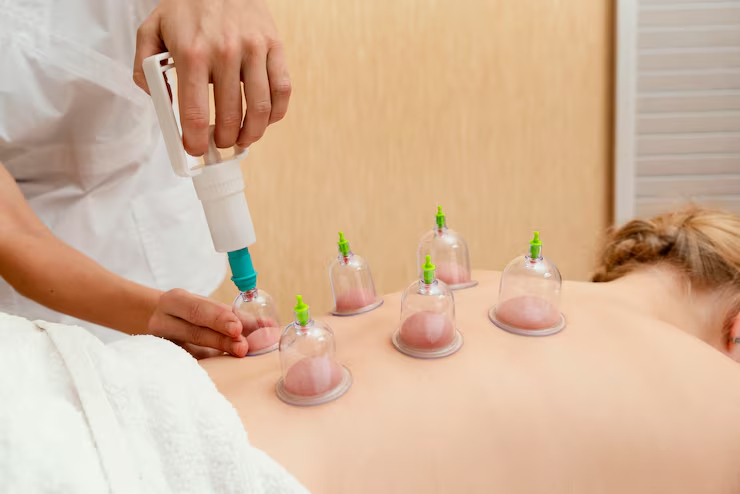
Different cupping methods may be used depending on the individual’s presentation. These include stationary cupping, moving cupping, or wet cupping, with cups placed on specific points or muscle groups. The choice of technique and placement is guided by TCM principles and adjusted throughout the session if needed.
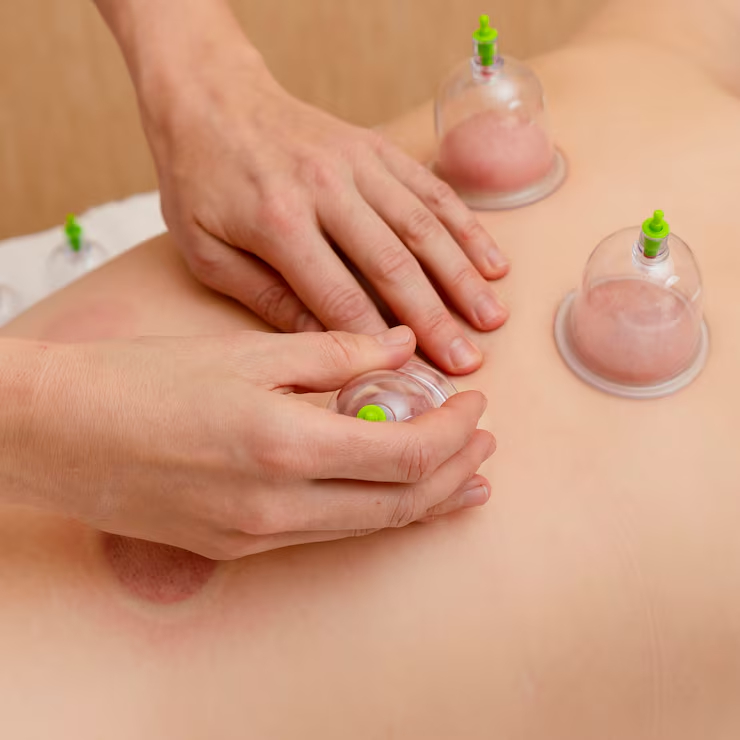
During the session, cups are applied to the skin to create controlled suction. This suction gently lifts the skin and underlying tissue, a process traditionally associated with supporting circulation and releasing areas of tension. Sensations may vary from mild pressure to warmth, depending on the area treated and the individual’s sensitivity.
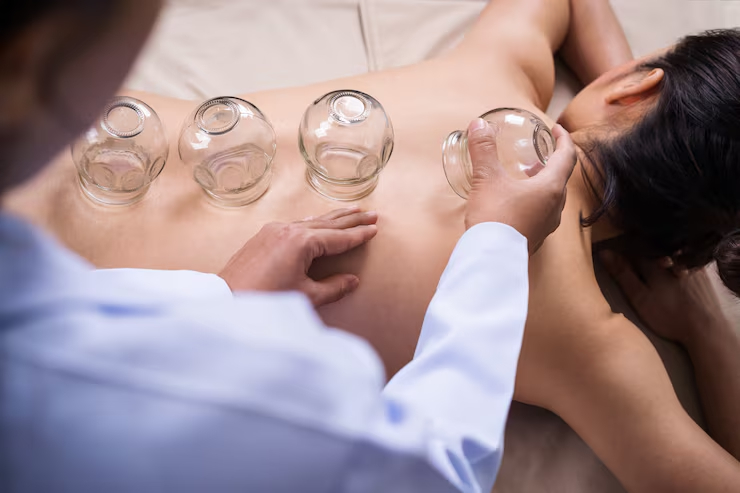
Practitioners closely observe skin response and comfort levels throughout the cupping process. Cups are typically left in place for a short duration, with adjustments made as required. This attentive approach is central to how cupping therapy in Singapore is practised within a regulated clinical setting.
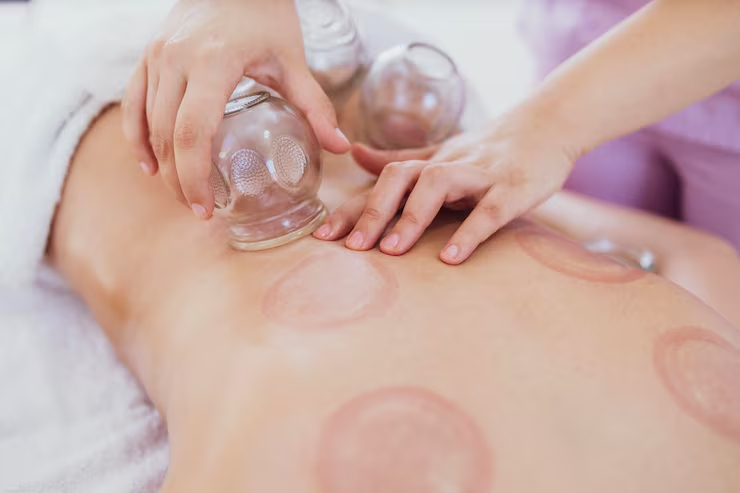
After the cups are removed, temporary marks may appear on the skin, which usually fade over time. Practitioners may provide guidance on hydration, rest, and activity levels following TCM cupping to support recovery and comfort after the session.

The marks left behind after a cupping session are a natural result of the suction process, and provide valuable information about your body’s internal state. These marks are not bruises but indicators of circulation, stagnation, or toxin levels in the body.
Suggest areas of stagnation or poor blood circulation.
Indicate good circulation and minimal stagnation.
Reflect healthy blood flow and energy balance.
May point to toxin build-up or inflammation.

Redhill
TCM cupping is available at our Redhill clinic as part of a personalised treatment approach guided by individual assessment. This traditional therapy involves the application of controlled suction on specific areas of the body, which is commonly used in TCM practice to support circulation and ease localised tension.
Cupping may be also incorporated alongside other TCM modalities such as Tui Na and Gua Sha, depending on the practitioner’s evaluation and the individual’s presenting concerns. The combination of therapies is determined case by case, with attention given to comfort levels and overall balance rather than a fixed treatment routine.
Following a cupping session, temporary skin markings may appear in the treated areas and typically fade over time. Patients are generally advised to stay hydrated and allow the body time to rest after treatment. Practitioners may also share basic post-session guidance tailored to the individual.
As with other TCM treatments, TCM cupping in Singapore may not be suitable for everyone. Individuals with certain medical conditions or skin sensitivities are encouraged to consult a qualified physician before proceeding, so that the approach can be assessed and adjusted appropriately.
Looking to reap the benefits of TCM cupping? Contact us today to book an appointment and embark on a holistic healh and wellness journey!
Temporary marks or mild bruising are common and harmless side effects of cupping therapy in Singapore. However, these marks typically fade within a week as the body heals naturally. They indicate increased blood flow and toxin release from the treated areas, which is part of the therapy’s intended effect to promote better circulation and relieve muscle tension.
Cupping therapy often leads to relaxed muscles, increased energy, and improved blood circulation. Its mild soreness or discomfort is just temporary and only occurs as the body adapts to the treatment. These responses are common and show that the therapy is helping to ease muscle tension and support overall well-being.
Wet cupping, also known as Hijama, involves puncturing the skin after suction to remove stagnated blood. It is believed to help detoxify the body. TCM cupping, on the other hand, generally refers to dry cupping and focuses on balancing qi (energy), relieving pain, and easing muscular tightness without breaking the skin.
A typical session of dry cupping or wet cupping in Singapore lasts between 20 to 45 minutes. This includes consultation, preparation, and the cupping itself. The duration may vary depending on the number of areas being treated and the method chosen.
Yes, many people in Singapore combine cupping therapy with other Traditional Chinese Medicine treatments like acupuncture, gua sha, or herbal medicine. This integrated approach is often recommended for chronic pain, stress, or fatigue.
Cupping therapy in Singapore supports circulation and muscle recovery, but it isn’t suitable for everyone. Those who should avoid it include:
1. Pregnant Women
Cupping is generally not recommended during pregnancy, especially on the abdomen or lower back, as it may stimulate pressure points and cause discomfort.
2. People with Skin Conditions
Those with eczema, psoriasis, open wounds, or severe acne may experience irritation or worsening symptoms due to the suction involved in cupping therapy.
3. Individuals with Bleeding Disorders
Conditions like haemophilia or those on blood-thinning medication may increase the risk of bruising or prolonged bleeding after cupping therapy in Singapore.

Wo.men Matters by Great Wall TCM @ Tiong Bahru (Central Plaza)
Great Wall TCM is established in year 1977. Our MOH registered TCM Physicians and experienced therapists are here to promote healing through various TCM Treatments.
© Copyright 2026 - Great Wall TCM - All Rights Reserved
Great Wall TCM Clinic (Redhill)
Hello! Thank you for contacting Great Wall TCM
 Great Wall TCM Clinic (Redhill)


 Login with Google