


Tui Na vs. Regular Massage: What’s the Difference?

When your shoulders feel tight or your lower back starts to ache, booking a massage often seems like the obvious solution. But if you have come across Tui Na as well, you might be wondering which one truly suits your needs. Although both therapies involve hands-on techniques and can leave you feeling lighter, they are guided by very different principles and goals.
What Is Tui Na Good For? Exploring Its Many Benefits for Body, Mind, and Wellness
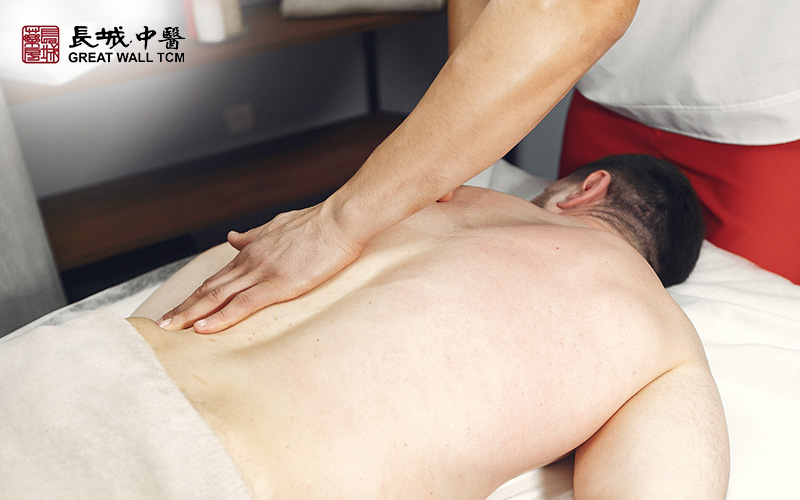
When people ask what Tui Na is good for, the answer often goes beyond surface-level relaxation. As a hands-on therapy rooted in Chinese medical principles, Tui Na works with the body’s structure, circulation, and internal balance. Rather than focusing on comfort alone, it addresses how tension, stress, and daily habits affect both physical and mental wellbeing over time.
Common Conditions Treated at a Good TCM Clinic in Singapore
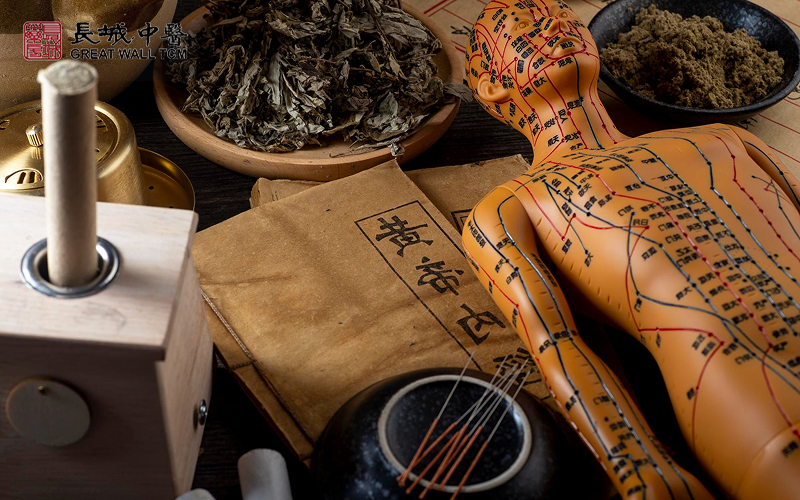
In Singapore’s modern living, health concerns often build up quietly before they start affecting daily life. Lingering fatigue, recurring aches, digestive discomfort, or frequent colds are easy to dismiss until they become harder to ignore. This is where Traditional Chinese Medicine (TCM) often comes into consideration, not as a last resort, but as a proactive way to understand what the body is signalling. Rather than focusing only on symptoms, TCM looks at the body as an interconnected system, addressing underlying imbalances to support overall health.
Why TCM is a Popular Choice for Holistic Health in Singapore
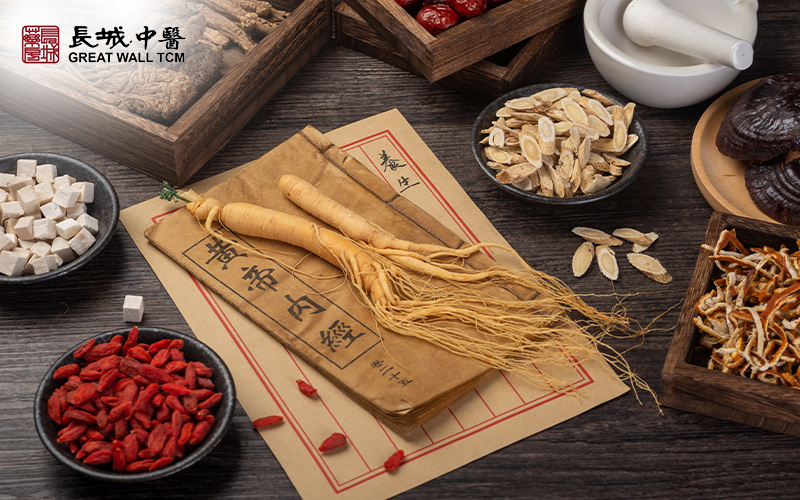
Modern life keeps our heads tilted forward more than ever. Whether it’s replying to text messages, scrolling during commutes, or spending long hours in front of a screen, the neck quietly bears the strain of our digital habits. Over time, this repeated posture can lead to stiffness, reduced mobility, and lingering discomfort, commonly known as tech neck. Instead of waiting for pain to disrupt daily routines, Traditional Chinese Medicine (TCM) focuses on early intervention, helping the body maintain balance and resilience before strain becomes chronic.
Protect Your Neck: TCM Strategies to Prevent Tech Neck Damage
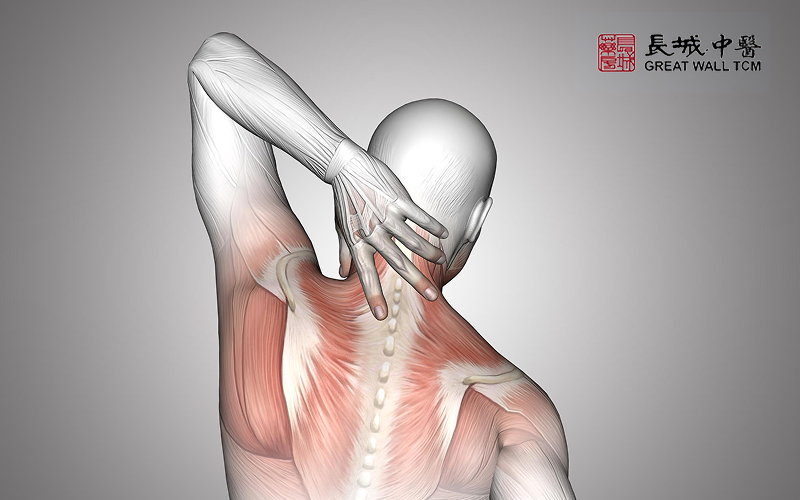
Modern life keeps our heads tilted forward more than ever. Whether it’s replying to text messages, scrolling during commutes, or spending long hours in front of a screen, the neck quietly bears the strain of our digital habits. Over time, this repeated posture can lead to stiffness, reduced mobility, and lingering discomfort, commonly known as tech neck. Instead of waiting for pain to disrupt daily routines, Traditional Chinese Medicine (TCM) focuses on early intervention, helping the body maintain balance and resilience before strain becomes chronic.
Reignite Your Energy: How TCM Supports a Sedentary Lifestyle

Modern convenience has quietly changed how our bodies function. Elevators replace stairs, screens replace movement, and long hours of sitting become the norm before we even notice the toll it takes. Over time, this sedentary lifestyle can leave the body feeling heavy, stiff, and persistently low on energy, despite adequate sleep or rest. From a Traditional Chinese Medicine (TCM) perspective, this isn’t simply about inactivity; it’s about what happens internally when movement, circulation, and energy flow are restricted. Rather than pushing the body harder, TCM focuses on gently reactivating these systems to help the body regain its natural rhythm, vitality, and balance
Preventing Asthma Attacks in Children with TCM Lifestyle Tips

Asthma attacks in children are one of the most stressful health challenges parents face. Sudden wheezing, night-time coughing, emergency inhaler use, disrupted sleep, and frequent school absences can leave families feeling anxious and exhausted. While conventional care is essential, many parents look for complementary ways to reduce attack frequency and strengthen their child’s long-term respiratory health. This is where Traditional Chinese Medicine (TCM) offers a supportive, lifestyle-focused perspective.
Cupping and Detox: How Traditional Therapy Supports Natural Cleansing

Modern lifestyles often place increased demands on the body, from prolonged sitting to irregular meals and daily environmental exposure. Over time, these factors may affect how efficiently the body maintains internal balance. Traditional Chinese medicine (TCM) practices such as cupping are often explored as supportive approaches that work with the body rather than against it, encouraging natural regulatory processes to function more smoothly.
Understanding the Causes of Back Pain and How TCM Addresses Them

Back pain is often brushed off as a minor inconvenience, something caused by long workdays, stress, or poor posture. Yet for many people, discomfort gradually builds until it affects sleep, concentration, and everyday movement. While quick fixes like painkillers may ease symptoms temporarily, they rarely address why the issue keeps returning. Traditional Chinese Medicine (TCM) takes a deeper approach by identifying underlying imbalances in the body.
Acupuncture for Mental Wellbeing: Calming the Mind the TCM Way

Mental wellbeing is an essential part of our overall health, influencing how we think, feel, and cope with daily challenges. Many people notice their mental balance gets affected during stressful periods, like difficulty falling asleep after a long day, persistent overthinking, irritability from work pressures, or emotional fatigue after managing multiple responsibilities. These common experiences highlight how easily our mental state can be disrupted. Traditional Chinese Medicine (TCM) approaches mental health through the lens of the body’s internal balance, focusing on the Heart, Liver, and Spleen systems. By addressing these systems, acupuncture offers a holistic way to support a calmer, more stable mind.
Cupping Therapy for Fatigue and Energy Boost

Most people don’t realise how deeply fatigue affects their daily life until it begins to control it. You wake up already tired, rely on caffeine to get through the day, and still feel mentally foggy and physically drained by the afternoon. Work becomes harder, motivation drops, and even rest doesn’t seem to help. When this pattern continues, it is a sign that your body is no longer circulating and producing energy efficiently.
Traditional Chinese Medicine (TCM) Health Treatments You Should Try in Singapore

In today’s fast-paced world, where modern medicine has advanced tremendously, many people in Singapore still turn to Traditional Chinese Medicine (TCM) as a complementary approach to their health. Rather than replacing conventional care, TCM health treatments focus on supporting the body’s natural balance and overall wellbeing. With a variety of therapies ranging from acupuncture to herbal remedies, these practices offer a holistic perspective on maintaining wellness and managing everyday stress.
 Login with Google